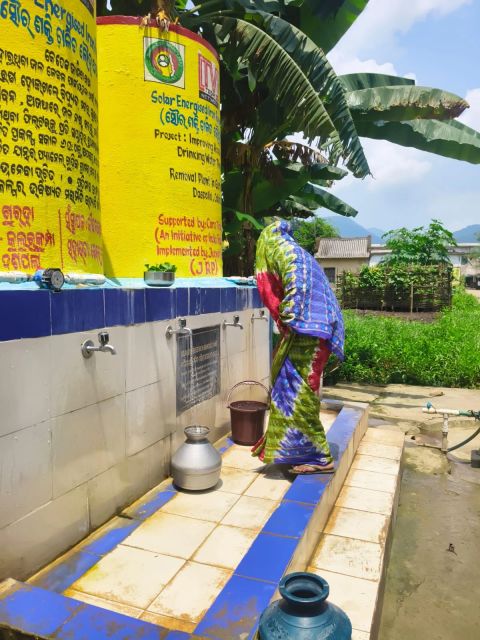
Cuttack, Odisha | September 8, 2026: Jeevan Rekha Parishad (JRP) is expanding its efforts to improve access to safer drinking water in rural Odisha by establishing 10 technology-led, solar-powered Iron Removal Plants (IRPs) in Narasinghpur, Cuttack district.
The initiative is being implemented with support from the Livpure Foundation and aims to address concerns related to excess iron contamination in groundwater used by rural communities.
According to JRP, the new Iron Removal Plants are designed to reduce iron levels from 1.6 mg/litre or more to around 0.4 mg/litre, helping provide treated water that is safer for community use.
From pilot project to wider intervention
The expansion builds on an earlier pilot IRP established by JRP in Daspalla, Nayagarh, with support from the Care Today Fund.
The pilot initiative provided an opportunity to test a community-level approach to addressing iron contamination in drinking water. JRP is now taking the intervention to additional rural communities in Narasinghpur through the installation of 10 new plants.
Solar-powered technology for rural communities
The planned systems combine iron-removal technology with solar power, an approach intended to make community water treatment more suitable for rural locations.
By using solar energy, the plants can help reduce dependence on conventional electricity while supporting the operation of local water-treatment infrastructure.
The initiative is focused not only on water treatment but also on reducing potential water-related health risks associated with contaminated drinking water.
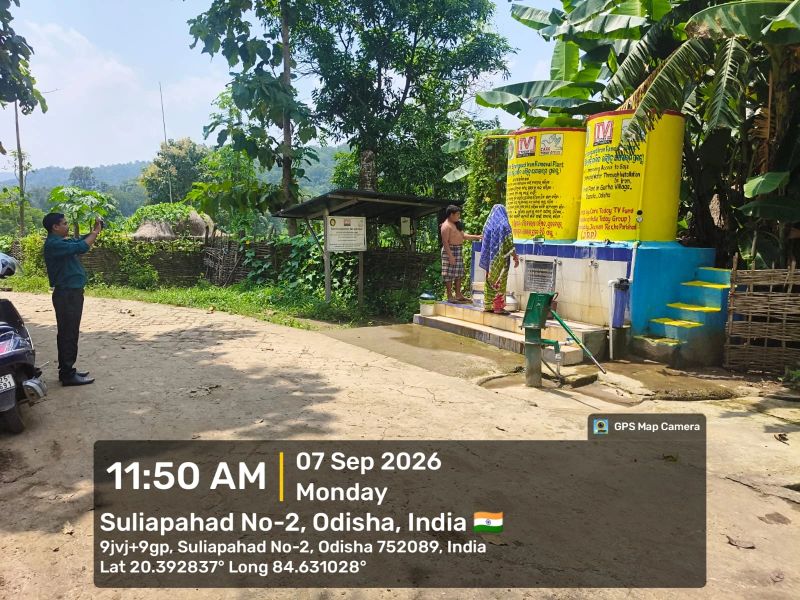
A photograph from the project shows a community water facility in Suliapahad No-2, Odisha, with villagers using the installation. The image was captured on September 7, 2026.
Focus on safer drinking water
Access to safe drinking water remains an important component of rural health and community development. Through the new installations, JRP and its partners aim to strengthen access to treated water in communities affected by elevated iron levels.
The project also highlights how NGO–foundation partnerships and locally deployed technology can be used to address water-quality challenges in rural areas.
With the planned 10 IRPs in Narasinghpur, JRP is expanding an intervention that began with a pilot project in Nayagarh and is placing greater emphasis on sustainable, community-level solutions for safer drinking water.

Krishna Murari Singh is a contributor and author at NGO News Network, covering developments across the NGO and social sector. His work focuses on NGOs, CSR initiatives, government schemes, social development, community programmes, and important updates relevant to nonprofit organisations and social-impact stakeholders.