India’s nonprofit sector continues to navigate a challenging funding environment as organizations strive to meet growing social needs while adapting to evolving donor expectations. Recent developments indicate that many NGOs are experiencing increased pressure to secure financial support, making it essential to strengthen governance, transparency, and program effectiveness.
Over the past few years, funding opportunities have become more competitive. While Corporate Social Responsibility (CSR) initiatives, philanthropic foundations, and individual donors remain important sources of financial support, a larger number of organizations are competing for the same pool of resources. As a result, donors are becoming more selective in choosing projects that demonstrate measurable outcomes and sustainable impact.
Another significant trend is the increasing emphasis on impact assessment. Donors now expect NGOs to provide clear evidence of how their projects improve the lives of beneficiaries. Organizations are encouraged to establish robust monitoring and evaluation systems, collect reliable data, and present impact reports that highlight tangible social, environmental, or economic outcomes.
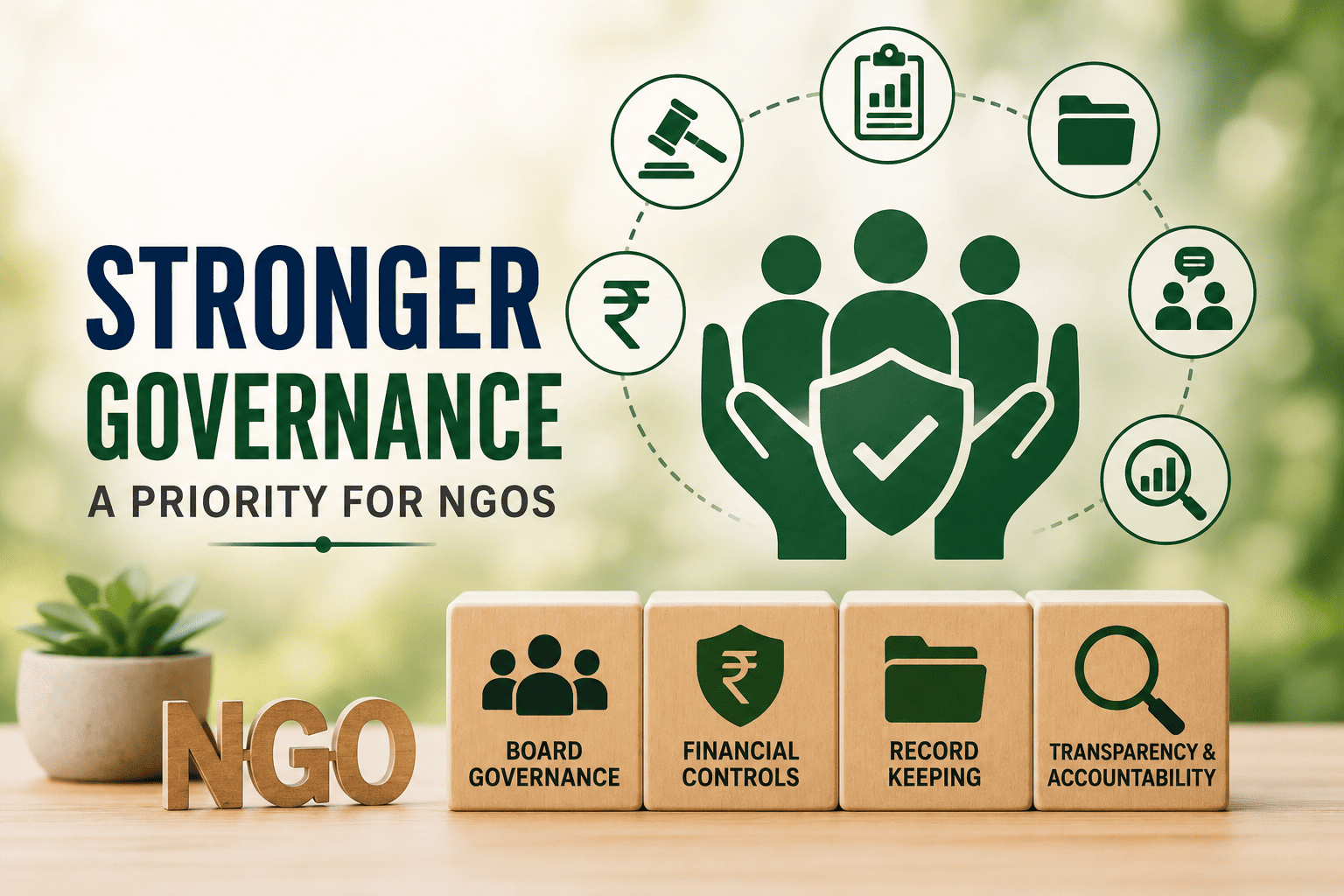
Financial transparency has also become a key factor in funding decisions. Funding agencies and corporate partners are looking for NGOs that maintain accurate financial records, undergo regular audits, comply with statutory requirements, and follow sound governance practices. Transparent operations not only build donor confidence but also strengthen an organization’s long-term credibility.
In addition, collaboration among nonprofit organizations is gaining importance. Rather than working in isolation, many donors encourage partnerships that combine expertise, resources, and local knowledge to deliver greater community impact. Joint initiatives can improve project efficiency, reduce duplication of efforts, and create more sustainable development outcomes.
Key Challenges Facing NGOs
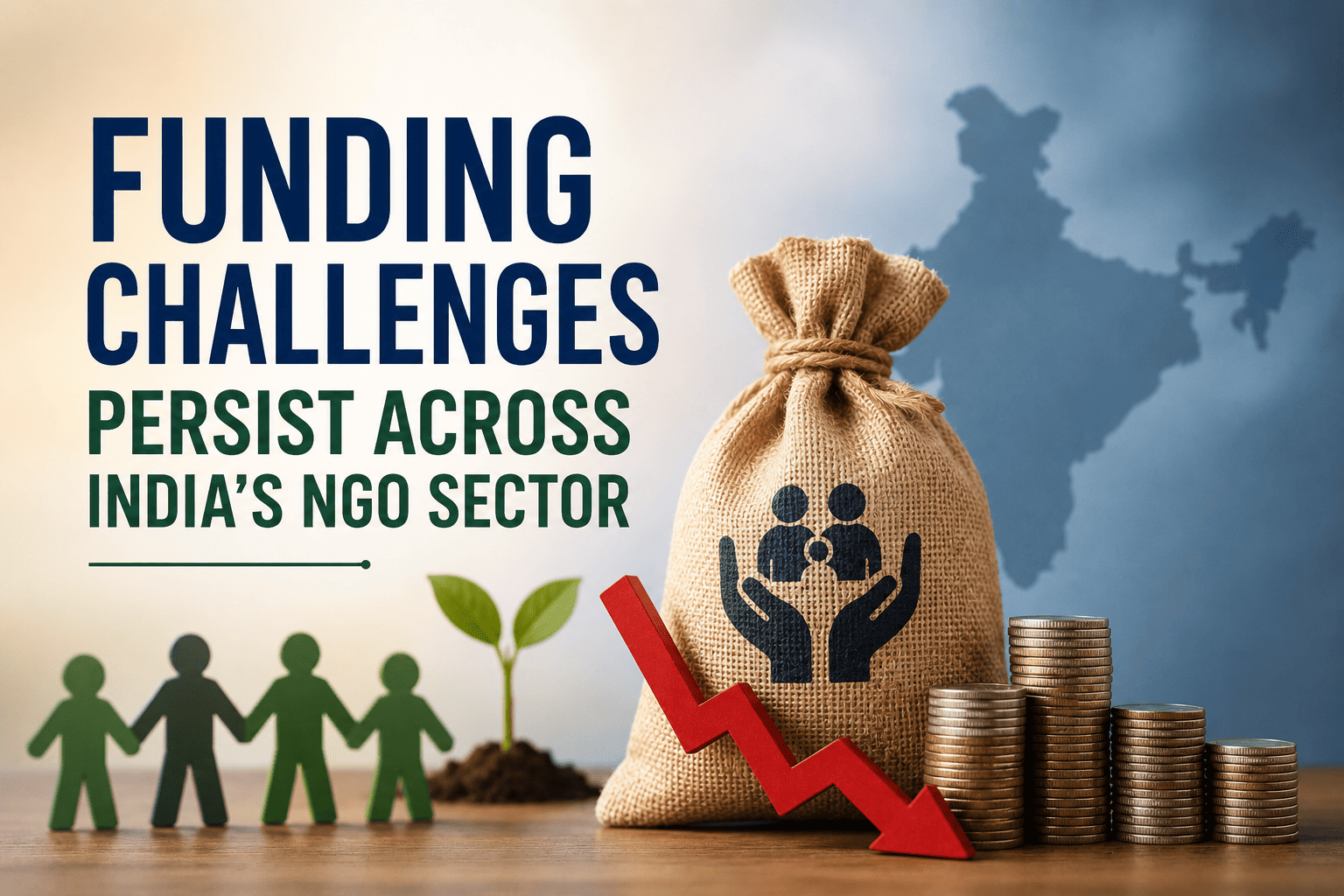
- Declining availability of institutional and grant-based funding.
- Growing competition for CSR and philanthropic grants.
- Higher expectations for measurable project outcomes and impact reporting.
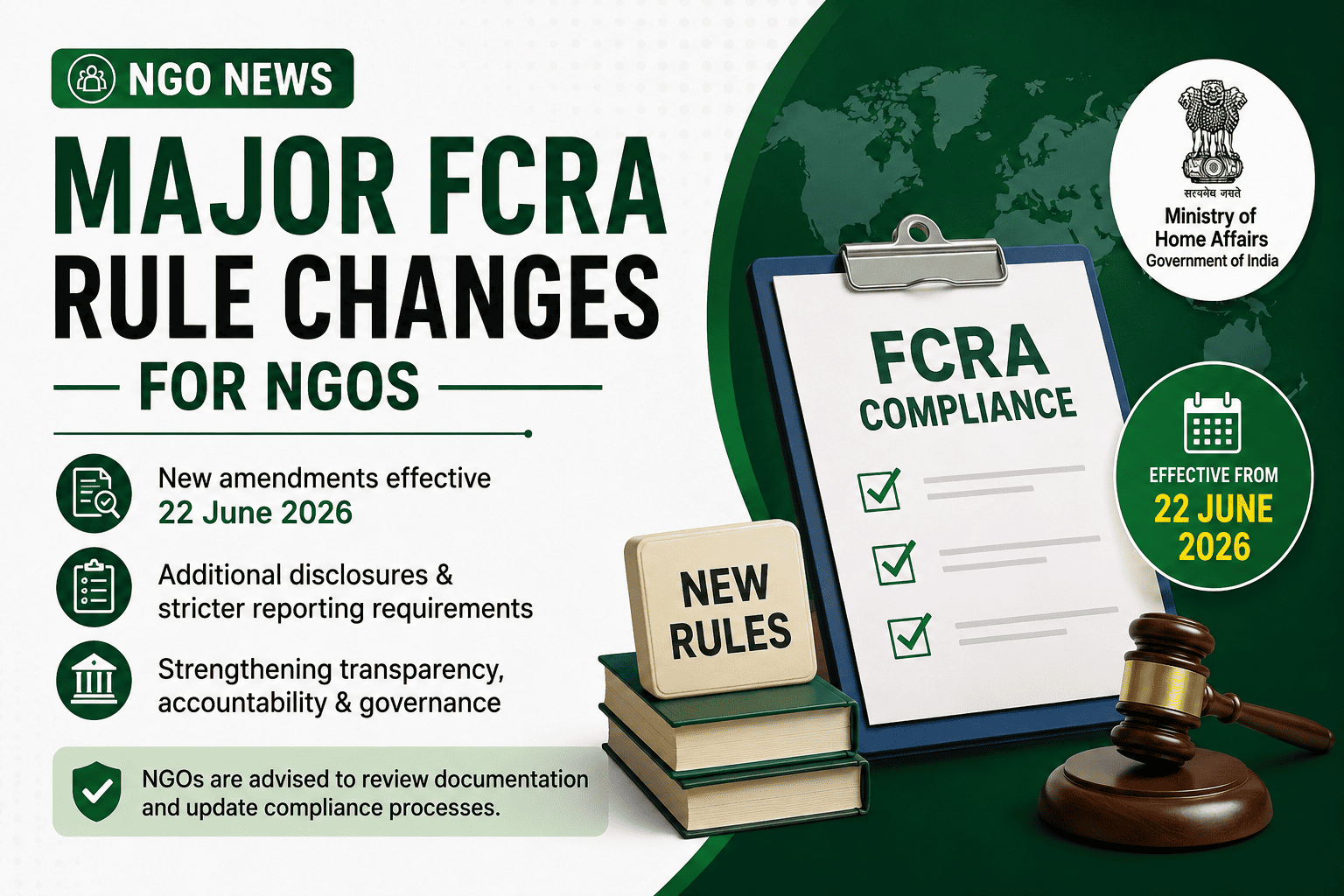
- Increased focus on financial accountability and regulatory compliance.
- Greater emphasis on organizational governance and transparency.
- Need for stronger collaboration with corporate partners, government agencies, and other nonprofits.
The Way Forward
To remain competitive in today’s funding landscape, NGOs should invest in strengthening their governance systems, improving financial management, and adopting effective monitoring and evaluation practices. Developing high-quality project proposals, maintaining transparent operations, showcasing measurable impact, and building strategic partnerships can significantly improve an organization’s ability to attract and retain funding.
As donor expectations continue to evolve, NGOs that prioritize accountability, innovation, and collaboration will be better positioned to secure sustainable financial support and expand their social impact.